Arthropods Daily – Issue No. 544 No. 544 |
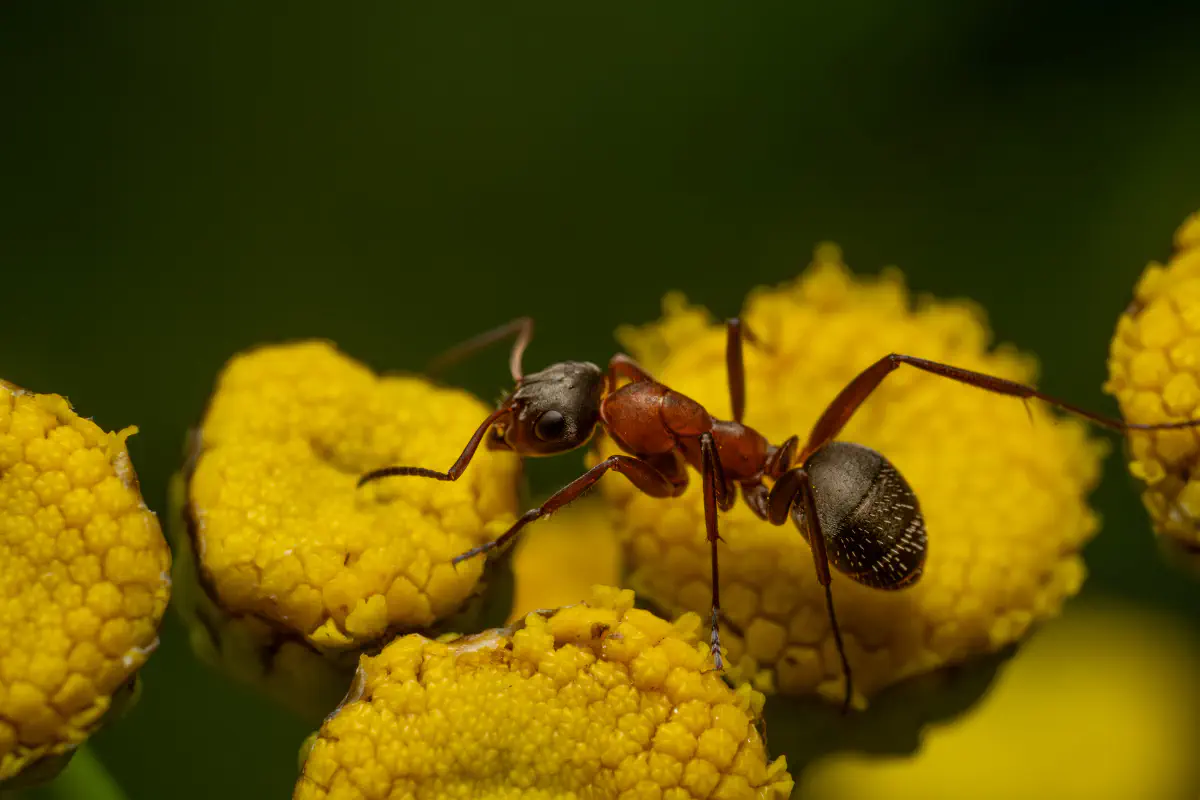
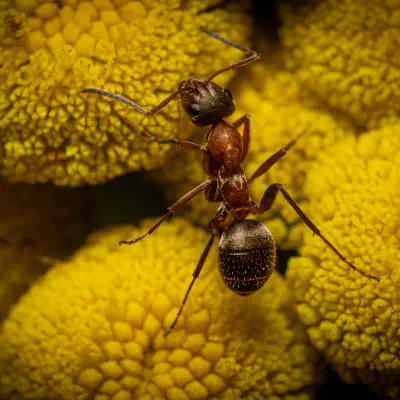
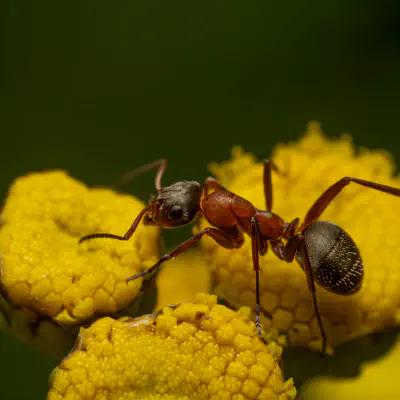
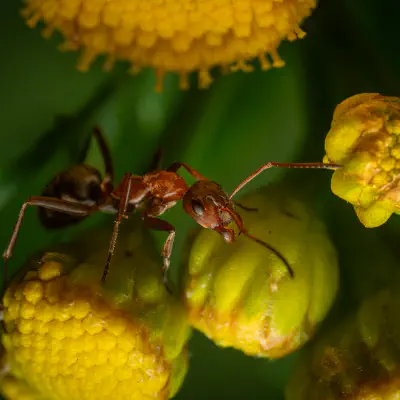
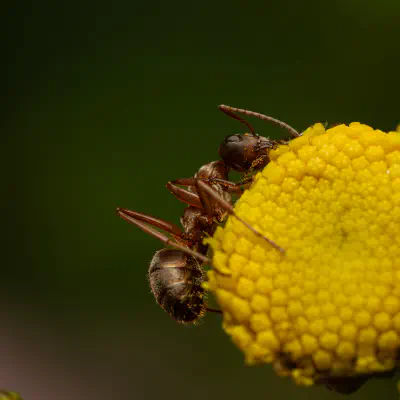
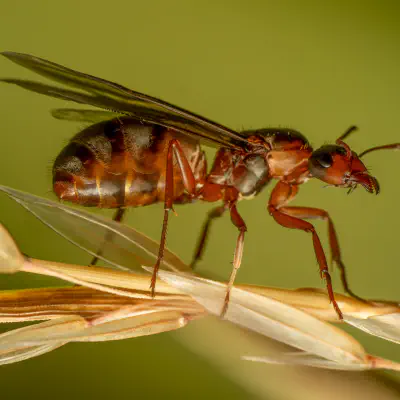
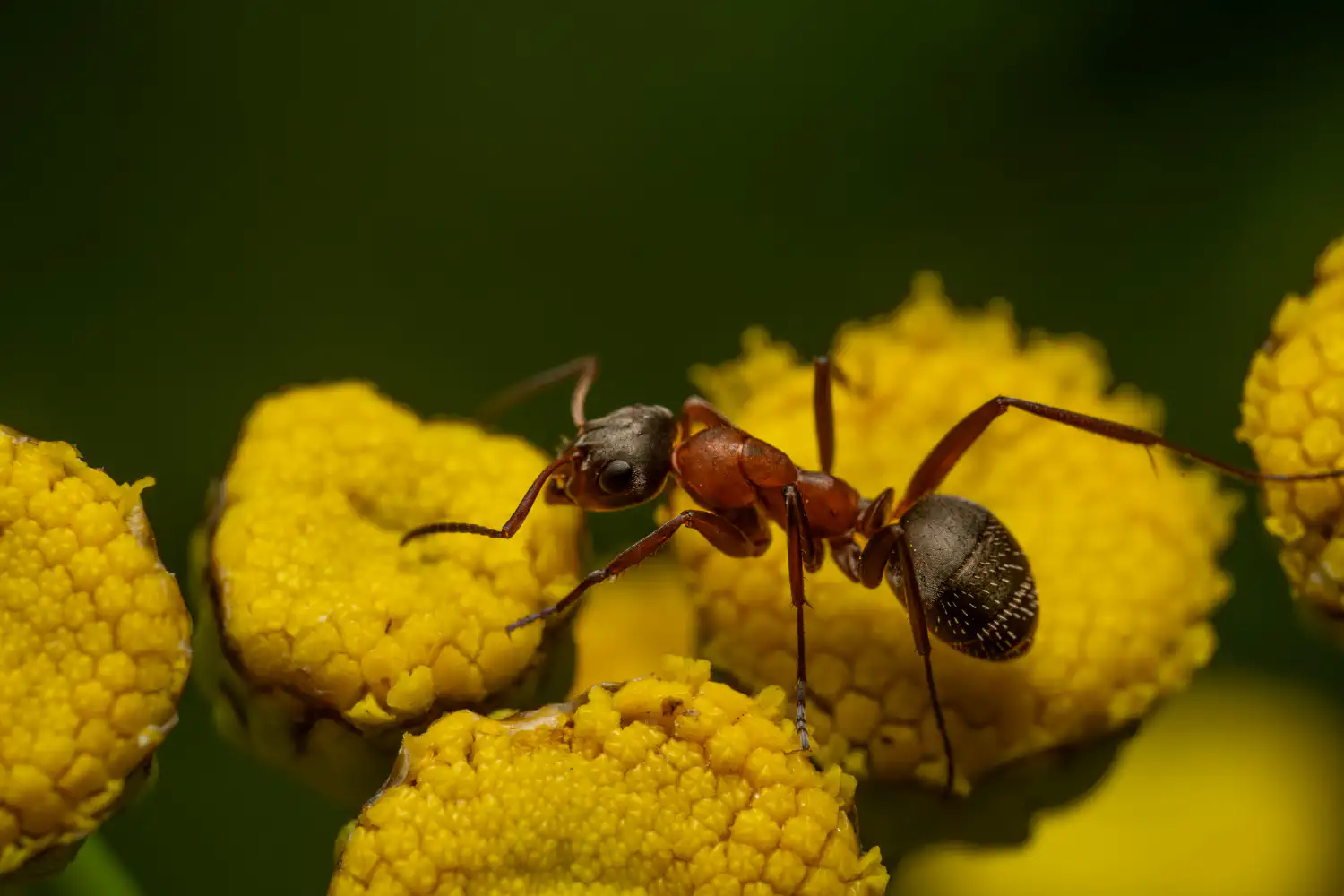
Formica rufibarbis is a European formicine ant of the Formica fusca group. In the classification by Auguste Forel, it is treated in the subgenus Serviformica. F. rufibarbis is subject to a Species Action Plan (SAP) in England, where it is known from only two locations, although it is not considered to be at risk on continental Europe.
Ancestry Graph
%%{
init: {
'theme': 'base',
'themeVariables': {
'primaryColor': '#83a09c',
'primaryTextColor': '#212d2b',
'primaryBorderColor': '#fff',
'lineColor': '#fff',
'secondaryColor': '#006100',
'tertiaryColor': '#fff'
}
}
}%%
flowchart LR
classDef active fill:#fff
arthropods("phylum: Arthropods"):::active
arthropods-->insects("class: Insects"):::active
insects-->narrow-waisted-wasps-ants-and-bees("suborder: Narrow-waisted Wasps, Ants, and Bees"):::active
narrow-waisted-wasps-ants-and-bees-->ants("family: Ants"):::active
ants-->wood-mound-and-field-ants("genus: Wood, Mound, and Field Ants"):::active
wood-mound-and-field-ants-.->black-backed-meadow-ant(["species: Black-backed meadow ant"])
wood-mound-and-field-ants==>red-barbed-ant(["species: Red-barbed Ant"]):::active
click black-backed-meadow-ant href "/en/catalogue/arthropods/insects/narrow-waisted-wasps-ants-and-bees/ants/wood-mound-and-field-ants/black-backed-meadow-ant/"
click red-barbed-ant href "/en/catalogue/arthropods/insects/narrow-waisted-wasps-ants-and-bees/ants/wood-mound-and-field-ants/red-barbed-ant/"
click arthropods href "/en/catalogue/arthropods/"
click insects href "/en/catalogue/arthropods/insects/"
click narrow-waisted-wasps-ants-and-bees href "/en/catalogue/arthropods/insects/narrow-waisted-wasps-ants-and-bees/"
click ants href "/en/catalogue/arthropods/insects/narrow-waisted-wasps-ants-and-bees/ants/"
click wood-mound-and-field-ants href "/en/catalogue/arthropods/insects/narrow-waisted-wasps-ants-and-bees/ants/wood-mound-and-field-ants/"
This is not intended to be a dry lexicon. Personal stories and sensitive articles form the framework for our pictures: „Seasons“
Maria experiences how the seasons change and with them the natural balance of her habitat. These changes are gradual and some might only recognise them when it is already too late.