Arthropods Daily – Issue No. 730 No. 730 |
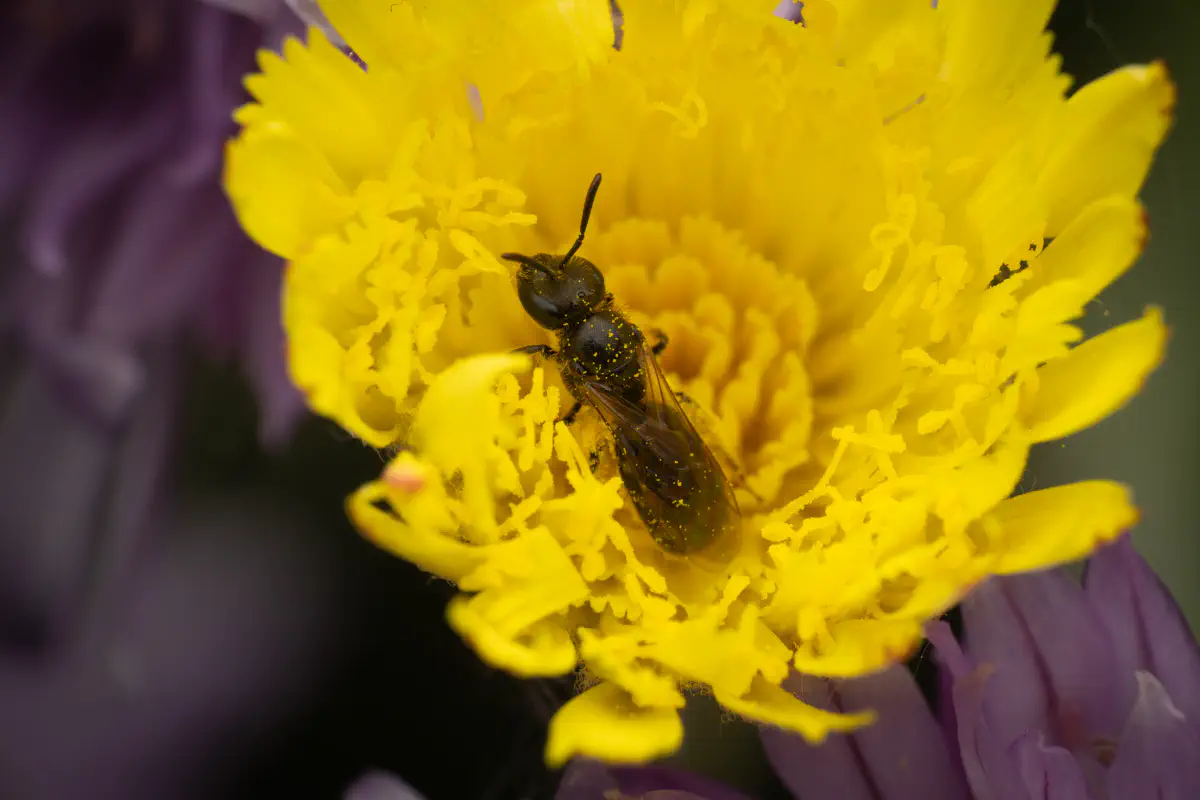
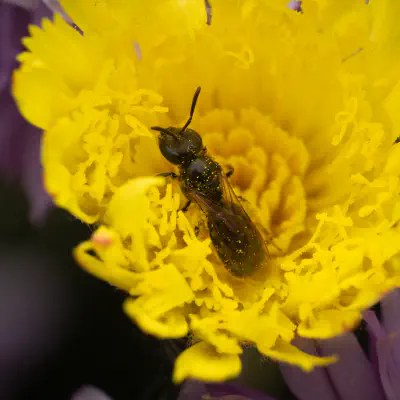
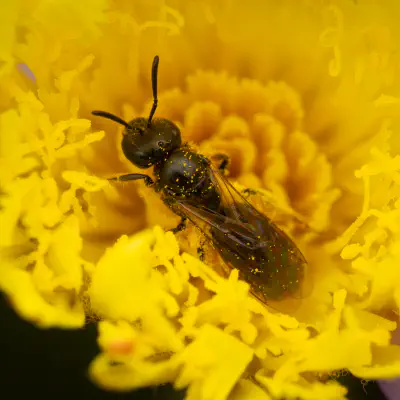
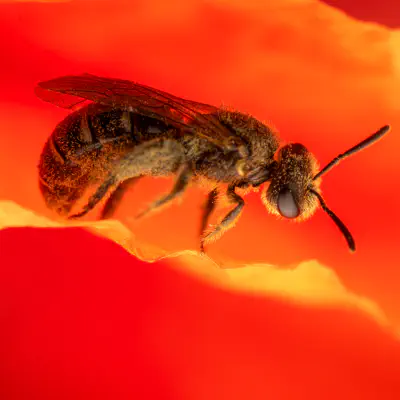
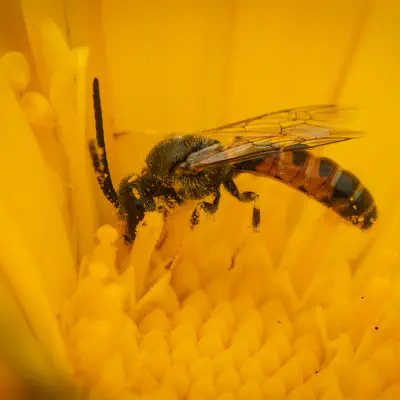
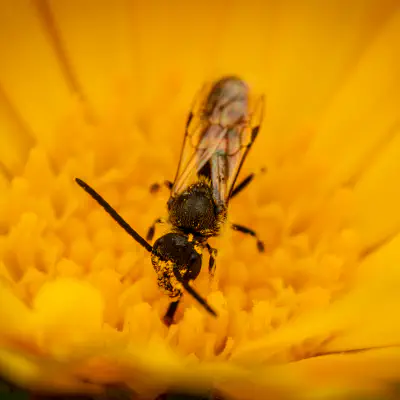
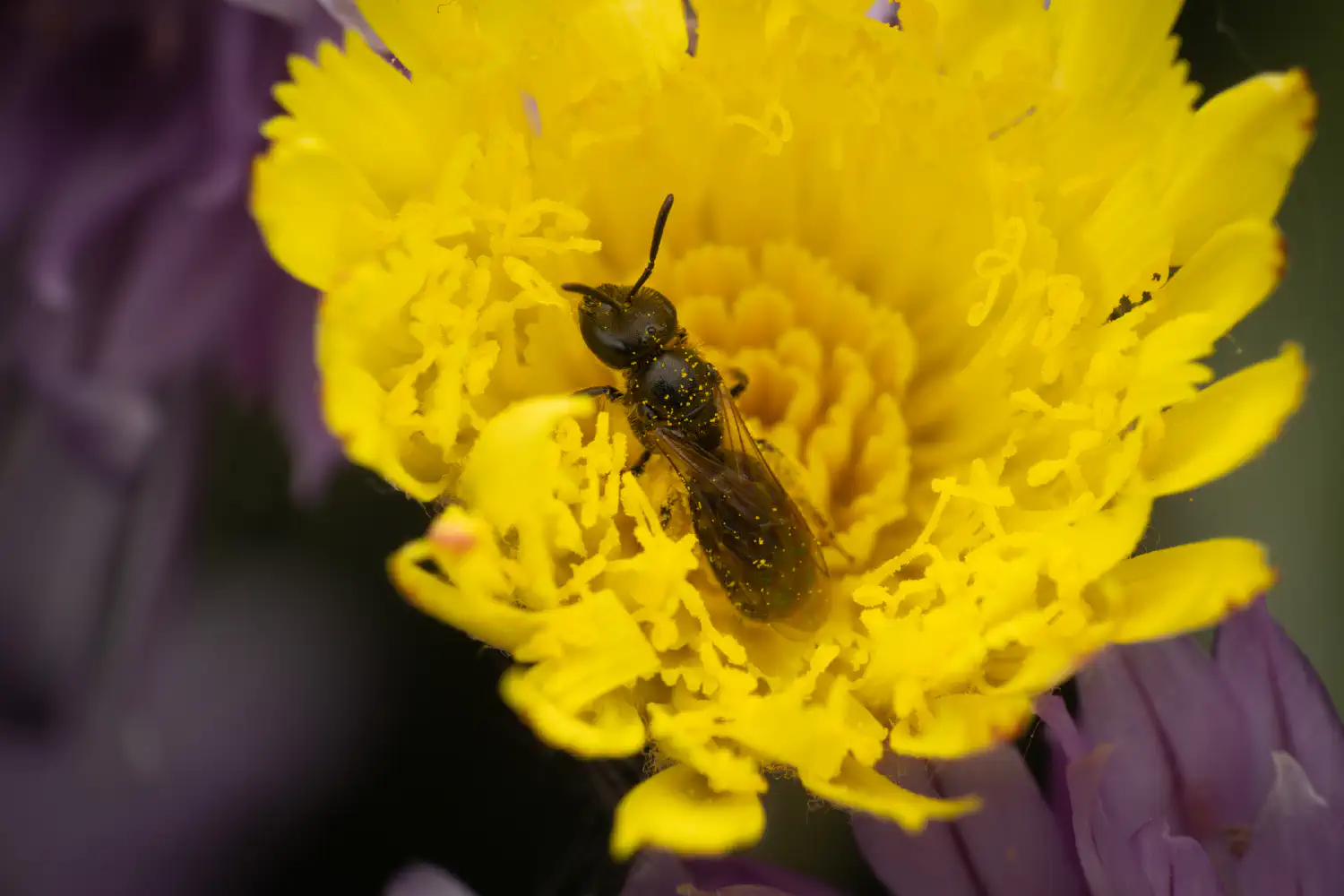
The sweat bee genus Lasioglossum is the largest of all bee genera, containing over 1700 species in numerous subgenera worldwide. They are highly variable in size, coloration, and sculpture; among the more unusual variants, some are cleptoparasites, some are nocturnal, and some are oligolectic. Most Lasioglossum species nest in the ground, but some nest in rotten logs.
Ancestry Graph
%%{
init: {
'theme': 'base',
'themeVariables': {
'primaryColor': '#83a09c',
'primaryTextColor': '#212d2b',
'primaryBorderColor': '#fff',
'lineColor': '#fff',
'secondaryColor': '#006100',
'tertiaryColor': '#fff'
}
}
}%%
flowchart LR
classDef active fill:#fff
arthropods("phylum: Arthropods"):::active
arthropods-->insects("class: Insects"):::active
insects-->narrow-waisted-wasps-ants-and-bees("suborder: Narrow-waisted Wasps, Ants, and Bees"):::active
narrow-waisted-wasps-ants-and-bees-->sweat-bees("family: Sweat Bees"):::active
sweat-bees-.->furrow-bees("genus: Furrow Bees")
sweat-bees==>lasioglossum("genus: Lasioglossum"):::active
sweat-bees-.->white-lipped-blood-bee(["species: White-lipped Blood Bee"])
click furrow-bees href "/en/catalogue/arthropods/insects/narrow-waisted-wasps-ants-and-bees/sweat-bees/furrow-bees/"
click lasioglossum href "/en/catalogue/arthropods/insects/narrow-waisted-wasps-ants-and-bees/sweat-bees/lasioglossum/"
click white-lipped-blood-bee href "/en/catalogue/arthropods/insects/narrow-waisted-wasps-ants-and-bees/sweat-bees/white-lipped-blood-bee/"
click arthropods href "/en/catalogue/arthropods/"
click insects href "/en/catalogue/arthropods/insects/"
click narrow-waisted-wasps-ants-and-bees href "/en/catalogue/arthropods/insects/narrow-waisted-wasps-ants-and-bees/"
click sweat-bees href "/en/catalogue/arthropods/insects/narrow-waisted-wasps-ants-and-bees/sweat-bees/"
This is not intended to be a dry lexicon. Personal stories and sensitive articles form the framework for our pictures: „Seasons“
Maria experiences how the seasons change and with them the natural balance of her habitat. These changes are gradual and some might only recognise them when it is already too late.